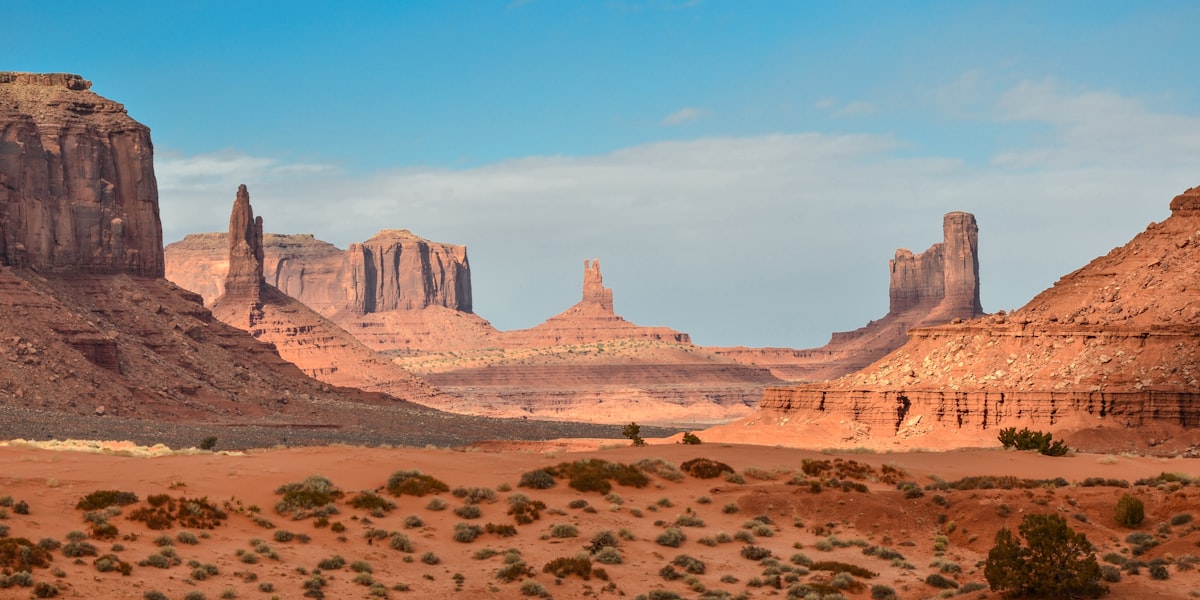
Journeying into the Sahara Desert is a bucket-list dream for many travelers visiting Morocco. The vast, silent beauty of the Erg Chebbi dunes near Merzouga is unmatched, but the desert environment can be highly unforgiving. With scorching daytime sun and freezing night temperatures, packing the right gear is critical to your comfort and health. The desert is a place of extremes, where weather conditions dictate every aspect of daily life. Preparing for a desert trek requires a smart packing strategy that balances protection against intense UV radiation during the day with insulation against cold sand temperatures at night. Whether you are planning a single night in a luxury tent camp or a multi-day camel caravan across the rocky plains, this comprehensive guide will ensure you have everything you need to enjoy the silent dunes safely.
1. Master the Art of Layering
The desert experiences dramatic temperature swings. During the day, the temperature can rise above 40°C (104°F), while at night it can plunge close to freezing, especially in the winter months (November to February). To handle these fluctuations, you must pack versatile, lightweight clothing that can be layered easily. Avoid heavy denim or synthetic fabrics that trap heat and sweat during the day.
Your base layer for daytime treks should consist of loose-fitting, breathable items made of natural fibers like linen or lightweight cotton. Long-sleeve shirts protect your skin from sunburn and reduce moisture loss, while loose, long pants prevent chafing and shield you from hot sand kicked up by desert winds. For the evening, a merino wool thermal shirt or a high-quality fleece jacket is essential. As the sun sets, the sand loses its heat rapidly, and you will want a warm down vest or jacket, a beanie, and wool socks to stay comfortable around the camp campfire.
"In the desert, clothing serves a double purpose: keeping the heat out during the day, and keeping the warmth in at night."
2. Footwear Considerations: Navigating Sand and Rock
Choosing the right shoes can make or break your Sahara trek. Standard athletic sneakers with mesh panels are a poor choice, as the microscopic desert sand easily passes through the fabric, creating friction that leads to painful blisters. Instead, pack a combination of two types of footwear: closed trail shoes and sturdy hiking sandals.
For walking along the ridge of the dunes or riding camels, choose closed trail shoes or light leather hiking boots. Ensure you wear tall wool or synthetic socks to create a barrier against drifting sand. Sturdy hiking sandals with secure ankle straps are perfect for relaxing around the camp or walking on flat gravel sections, allowing your feet to breathe while protecting your soles from the hot ground. Lastly, pack a pair of simple slip-on sandals or flip-flops for navigating the camp tents at night without bringing sand inside.
3. Dust & Sun Protection Gear
The Sahara sun is extremely intense, and the air is dry. Sun and wind protection are vital. The most important accessory you can bring is a traditional *Cheche* (Berber turban scarf). Typically made of loose cotton and measuring over three meters in length, this scarf is wrapped around your head, neck, and face. It keeps the sun off your scalp, protects your neck, and can be pulled over your nose and mouth to block fine dust during sandstorms.
In addition to the Cheche, ensure you pack polarized sunglasses with dark lenses and UV protection, as sand reflection is highly fatiguing to the eyes. Bring high-SPF mineral sunscreen, zinc-based lip balm, and rich moisturizing lotions. The desert air contains virtually no humidity, and your skin, lips, and cuticles will dry out and crack within hours without constant hydration and care.
4. Electronics and Camera Maintenance
Fine desert sand is the enemy of electronic gear and camera lenses. Even on calm days, dust floats in the air and can scratch glass, jam zoom rings, and ruin charging ports. Keep all electronic items, including cameras, phones, and chargers, in sealed Ziploc bags or dry bags when not in use. Avoid changing camera lenses while on the dunes, as the wind will blow sand directly onto your camera's image sensor.
Furthermore, bring a high-capacity portable power bank. Luxury desert camps may have limited solar power outlets, and the cold desert nights will drain lithium-ion batteries much faster than usual. Keep your phone and camera batteries inside your sleeping bag or jacket pocket at night to preserve their charge.
5. Health and Hygiene Essentials
Dehydration is a constant risk in dry climates. Even if you do not feel sweaty, moisture evaporates from your skin instantly. Carry a reusable water bottle or hydration bladder and pack electrolyte replacement powders to mix into your water. A basic medical kit containing eyedrops (essential for flushing out sand), saline nasal spray to soothe dry nasal passages, blister cushions, and simple pain relievers will keep you comfortable on the trail. By packing smart, you can look past the elements and fully immerse yourself in the majestic silence of the Sahara.